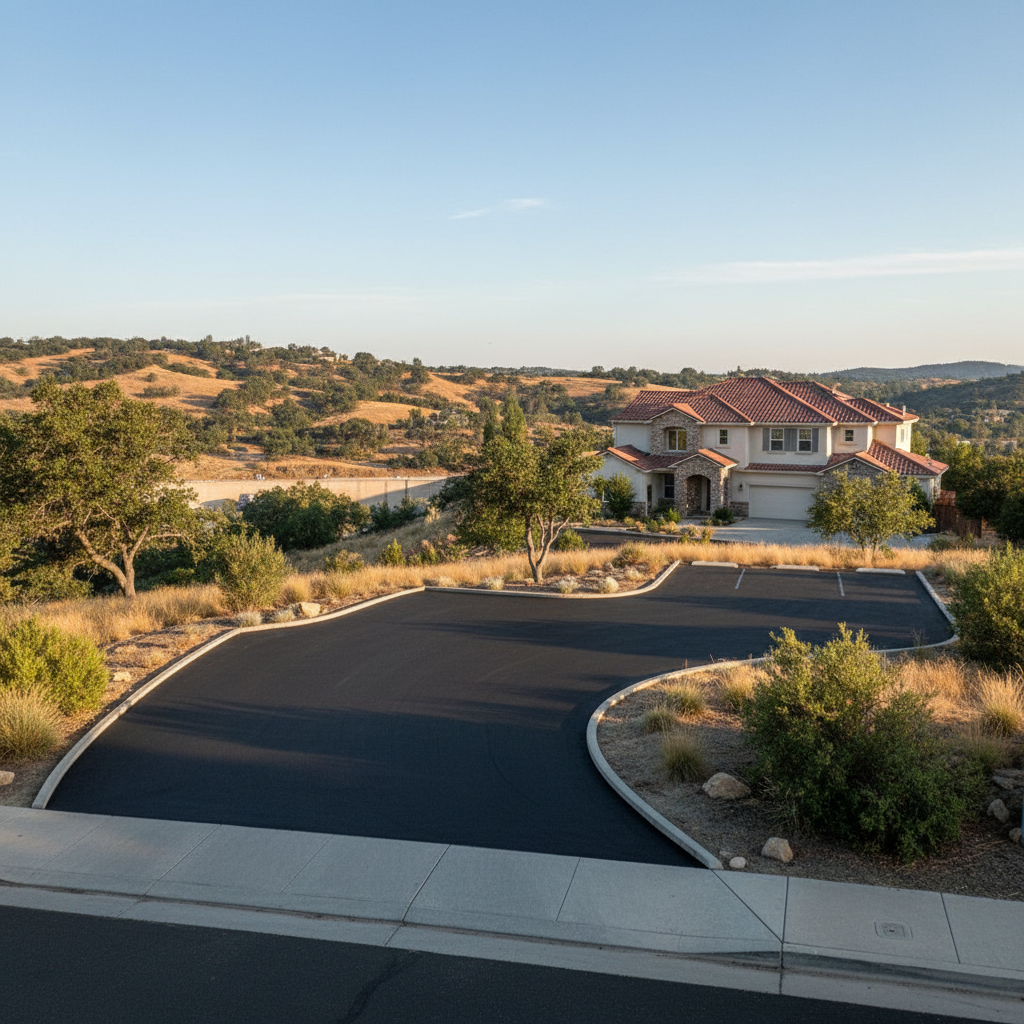
Planning Your Slurry Seal Project: What to Expect
Alright, so you're looking at your driveway, maybe it's got some hairline cracks, a bit faded, and you're thinking, 'Time for a slurry seal.' Good call. It's a smart way to protect your asphalt and make it look new again without the cost of a full repave. But it's not just a 'snap your fingers and it's done' kind of job. There's a little planning involved, and I want to walk you through it so you know exactly what's coming.
First off, let's talk timing. Here in Oroville, we get some pretty hot summers, and that's actually great for slurry. It needs warm, dry weather to cure right. You don't want to do this in the middle of winter when it's damp and chilly. Spring and fall are usually prime, but a good stretch of dry, warm days in summer works too. Think about when you can keep cars off the surface for a day or two. That's crucial.
The Timeline: From First Call to Fresh Driveway
You call us up, or another reputable contractor. What happens next?
Initial Contact & Estimate: We'll come out, take a look at your driveway, measure it up, and check its condition. We're looking for any bigger cracks or potholes that need fixing *before* the slurry goes down. Slurry seal is a protective layer, not a structural repair. You'll get a detailed estimate, usually within a few days.
Scheduling: Once you're happy with the estimate, we'll get you on the schedule. This can vary depending on the time of year and how busy we are. Sometimes it's a week out, sometimes a few weeks. We'll always give you a solid date.
Prep Work (Day Before/Morning Of): This is where you come in. We'll give you specific instructions, but generally, it involves clearing the area. More on that in a bit.
Application Day: Our crew shows up. We'll do any necessary crack filling or patching first. Then, the slurry goes down. It's usually a two-coat process for residential driveways to ensure good coverage and durability. It dries pretty fast, but you need to stay off it.
Cure Time: This is the big one. You'll need to keep all vehicles off the new surface for at least 24-48 hours. Sometimes longer if it's cooler or more humid. Walking on it is usually fine after a few hours, but no cars! We'll tell you exactly when it's safe to drive on.
How to Prepare for Slurry Seal Day
This part is on you, and it makes a big difference in how smoothly the project goes. Don't skip these steps:
Clear the Area: Move your cars, boats, RVs, trash cans, basketball hoops, potted plants – anything that's on or near the driveway. We need a completely clear path to work.
Trim Overhanging Branches: If you've got trees with low-hanging branches that reach over your driveway, trim 'em back. Our equipment needs room to maneuver, and we don't want to get slurry on your prize-winning roses or scratch up our trucks.
Sweep It Clean: Give your driveway a good sweep or blow it off. Get rid of loose dirt, leaves, and debris. We'll do a final blow-off before we start, but a head start helps.
Turn Off Sprinklers: Make sure your automatic sprinklers are off for at least 24 hours before and 48 hours after application. Water is the enemy of fresh slurry. This is especially important for those homes in the Kelly Ridge area with all that nice landscaping.
Plan for Access: Remember, you won't be able to drive on it for a day or two. If you need your car, park it on the street or at a neighbor's. Plan ahead for deliveries or appointments.
Questions to Ask Before You Sign That Contract
You're spending your hard-earned money, so you need to feel good about who you're hiring. Don't be shy. Here are some questions I'd ask:
Are you licensed and insured? This is non-negotiable. Ask for proof. Apex Asphalt Solutions is fully licensed and insured, and any reputable company should be too.
What kind of prep work do you include? Do they fill cracks? Do they clean the surface? Make sure it's all spelled out.
How many coats of slurry do you apply? For residential, two coats is standard for good durability.
What's the cure time I should expect? Get a clear answer on when you can drive on it.
What kind of warranty do you offer? A good contractor stands behind their work.
Can I see some references or examples of your work? A picture is worth a thousand words, and talking to past customers is even better.
What's the total cost, and what's included? Make sure there are no hidden fees. Get it in writing.
Doing your homework upfront means you'll get a great-looking, long-lasting driveway without any surprises. It's an investment in your home, so make sure it's done right.